
Cozy Indoors? Critters Think So Too
As we enter the winter season, it’s normal to want to spend more time indoors, and just like we tend to spend more time indoors, critters and insects will do their best to find any small crack or crevice in our homes to find themselves a warm, dry, and comfortable spot. How small, you may ask? Some critters can squeeze through gaps as small as half an inch across!
Making your home more air-tight is a solution to not only improving your comfort and your home’s energy efficiency, but also keeps small animals and bugs from entering your space.
Here are some ways to make your home tighter this winter season:
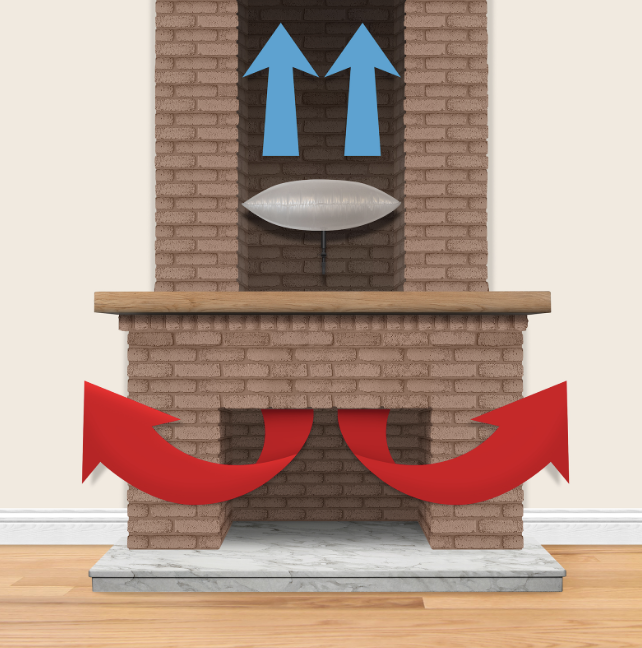
1. Install a chimney balloon.
Chimneys without a damper and cap run the risk of critters getting in and air leaking out. If you don’t use your fireplace or stove during the winter, a chimney balloon can fill that hole and reduce drafts. But remember to remove it if you do plan to have a fire!
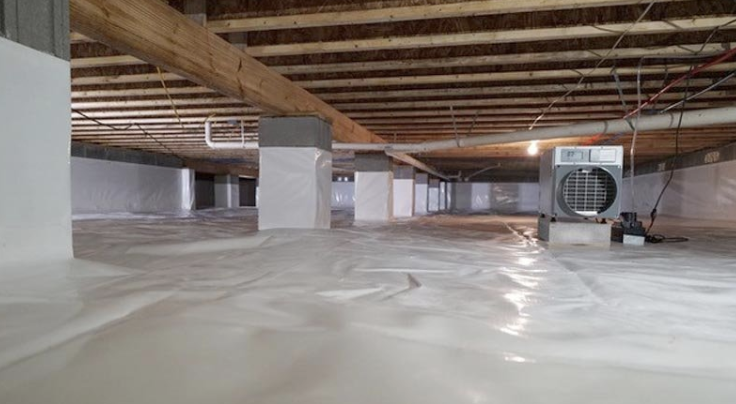
2. Encapsulate crawl spaces.
If your home has a crawlspace under its living quarters, this is an easy spot for critters to seek crevices where they can get into your home. Encapsulating a crawl space is done by installing a vapor barrier & insulation along the bottom and walls of the space, sealing it from the outside. This can be a DIY project, but to ensure an adequate seal from the outdoors and proper venting to prevent moisture buildup, it’s recommended that it be done professionally.
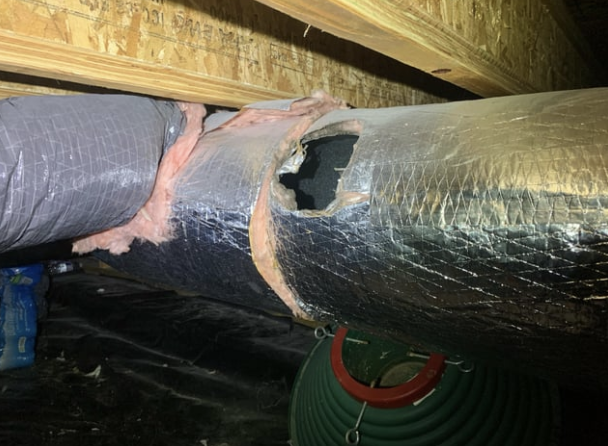
3. Check your air ducts.
If animals and insects can easily get into the non-living spaces of your home, and you have any disconnected or damaged ducting, this is an easy way for pests to travel into your home's walls. By repairing or reconnecting these vents, this can prevent critter intrusion or insect infestation, as well as ensure that heated air is not lost on its way into your living space, drastically improving your comfort.
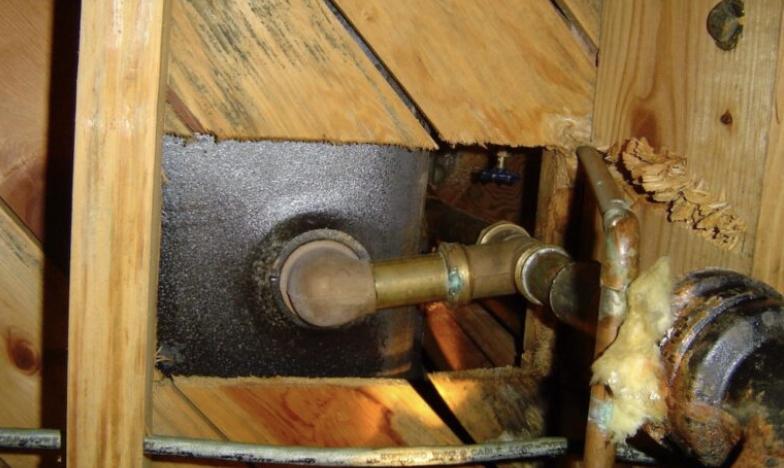
4. Seal up buffer spaces.
Think of buffer spaces as a spot where a hole is cut into a wall, maybe under a bathtub or sink for a drainpipe, or gaps around an electrical outlet. Sealing these spaces with foam, caulk, or other air sealing materials can help reduce the number of critters that get in through these spaces.
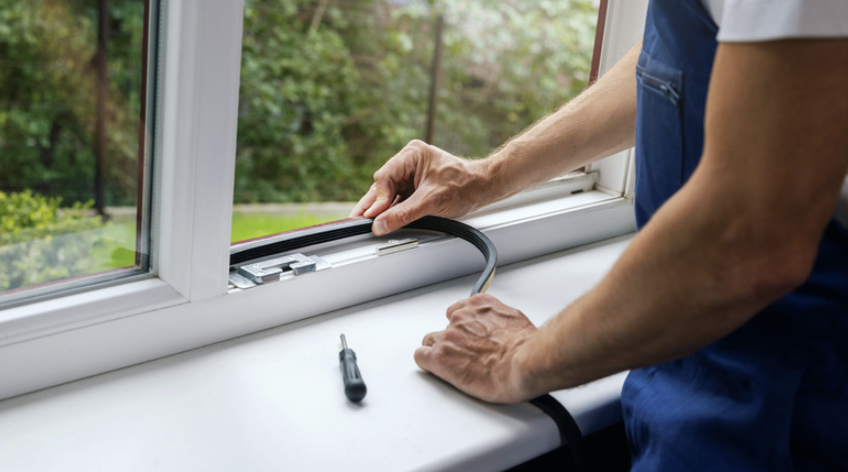
5. Check your windows.
Check your windows. Cracks and gaps in windows are an easy place for pests to crawl into your home. Caulking cracks or adding weatherstripping is an easy way to stop bugs, but also reduce drafts, improving your comfort and your home’s energy efficiency.
By putting one or two of these tips into practice, you should be able to see an improvement in your general comfort this winter season and see a reduction in your home’s overall energy bills.
Improving the air tightness of your home has other advantages too. It can improve your home’s overall air quality by stopping pollutants in your garage, basement (or crawlspace) from entering your living quarters. Adding these measures may also prevent the development of mold by reducing moisture from entering your space, preventing damage to materials like wood and drywall. Using caulk or spray foam to close crevices can also help soundproof a home in addition to adding insulation to cavities.
For more advice on how to be more energy efficient, contact your local Energy Advisor at The North Country Clean Energy Hub.
References:
https://www.energyvanguard.com/
Image 1: https://chimneyballoon.co.uk/how-it-works/
Image 2: crawlspaceinsider.com
Image 3: reddit.com
Image 4: energyvanguard.com
Image 5: housedigest.com